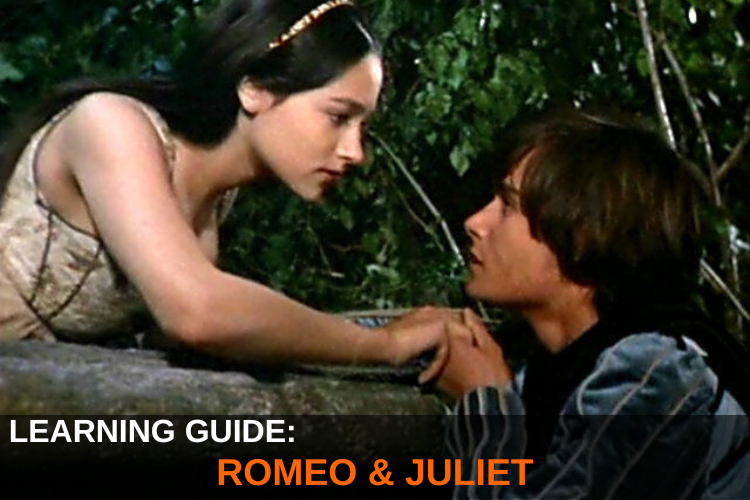
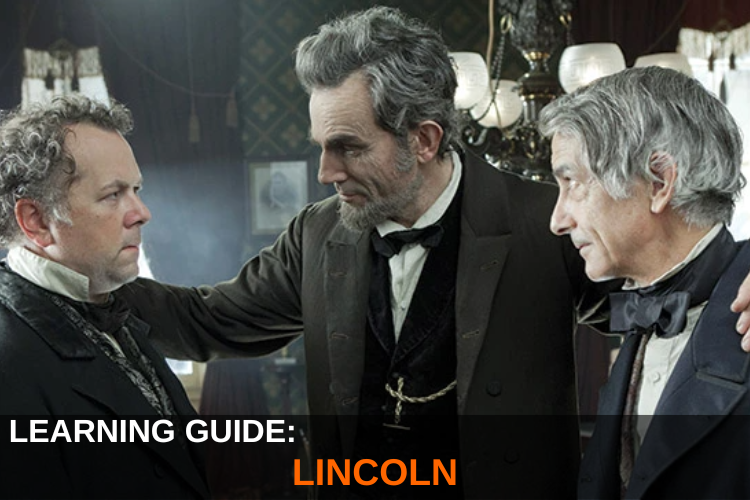

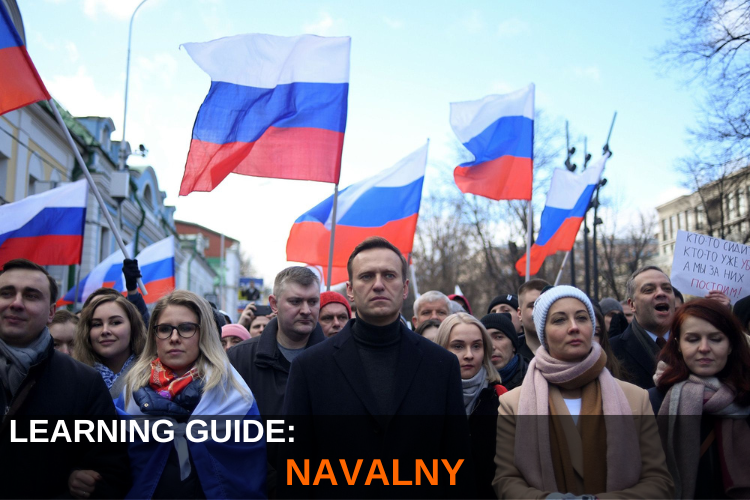
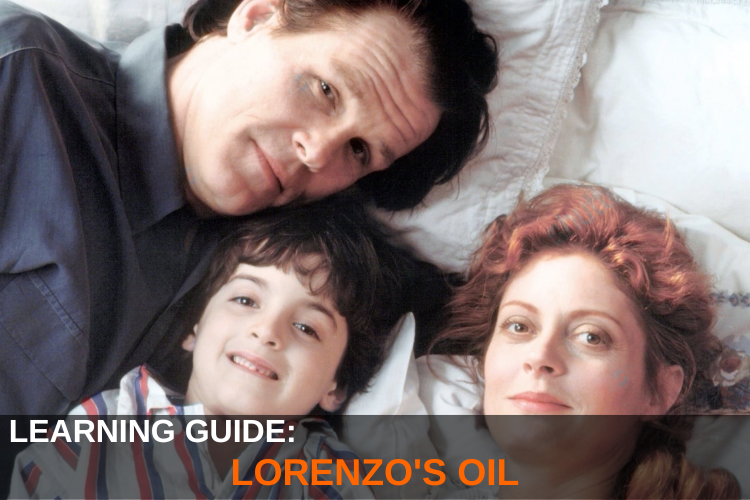

TWM does not provide the movies . . .
We provide curriculum materials for teachers.
- Snippet Lesson Plans,
- Movie Lesson Plans,
- Movie Learning Guides,
- Standard questions to use
with any movie,
- Standard assignments to
use with any movie,
- a Film Study Worksheet,
- and much more!!
|
A TWM Article:
Lesson Plans Using Film Adaptations of Novels, Short Stories or Plays
— With Discussion Questions and Assignments
For a list of movies frequently shown as adaptations of literary works, see TWM's Adaptations Index for .
Used appropriately, movies based on novels or short stories can supplement units based on the written original, enhance students' interest in analyzing the written work, and motivate classes to excel in completing assignments that teach skills required by the ELA curriculum. Filmed versions of plays supply the same educational benefits and often provide an experience close to viewing a live perfomance.
Studying a cinematic adaptation of a literary work will show students how words are converted to visual media and allow a comparison of the written original to the cinematic version, permitting teachers to highlight the techniques of both film and the written versions of a story. Presenting a filmed adaptation with high production values will demonstrate that movies can be an art form which communicates differently, but no less effectively, than the written word. Moreover, when used as a reward for having read a novel, a filmed adaptation can demonstrate that novel-length works of fiction usually contain a wealth of detail, information, and subplot that cannot be included in a movie.
For all of these reasons, filmed adaptations of novels, short stories, or plays, are excellent resources for lessons requiring students to learn and exercise the analytical and writing skills required by ELA curriculum standards.
TWM's essay on Lesson Plans Using Film Adaptations of Novels, Short Stories or Plays provides discussion questions and assignments for use with most films that are adaptations of written literature.
TeachWithMovies.com's Movie Lesson Plans and Learning Guides are used by thousands of teachers to motivate students. They provide background and discussion questions that lead to fascinating classes. Parents can use them to supplement what their children learn in school.
Each film recommended by TeachWithMovies.com contains lessons on life and positive moral messages. Our Guides and Lesson Plans show teachers how to stress these messages and make them meaningful for young audiences.
Each TWM Snippet Lesson Plan Contains:
|
- Learner Outcomes/Objectives
- Rationale
- Preparation
- Step-by-Step Instructions
|
Some snippets simply provide film and Internet resources to supplement lesson plans. Others are complete lesson plans with introductions, handouts, discussion questions, and summative assessments.
Learning Guides Feature the Following Sections:
|
- Benefits
- Possible Problems
- Helpful Background
- Building Vocabulary
|
- Discussion Questions
- Links to Internet
- Bridges to Reading
- Assignments & Projects
|
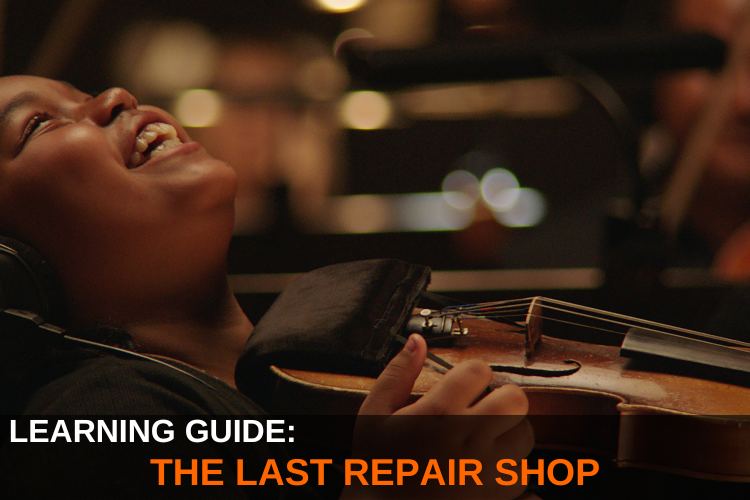
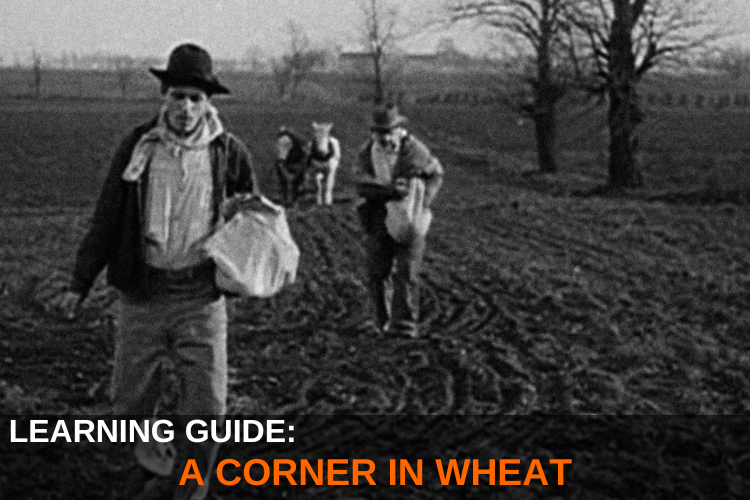
Learning Guides help teachers develop or improve their own lesson plans. Many also feature introductions, handouts, and summative assessments.
$1 per month ($11.99 per year) for
Lesson Plans and Learning Guides to hundreds of films.
SUPPLEMENT SCHOOL CURRICULUM! PROMOTE SOCIAL-EMOTIONAL LEARNING!
More suggestions about the beneficial use of movies to supplement curricula are added on a regular basis!
Most movies are based on novels, short stories, or plays. TWM's Learning Guides and lesson plans will show how to make the best use filmed adaptations of works of literature in the classroom.
Excerpt
To give you a sense of how our Learning Guides can be used by teachers as lesson plans to supplement school curriculum or for homeschooling, we have set out below a paragraph from TWM's essay on Lesson Plans Using Film Adaptations of Novels, Short Stories or Plays.
Students can often follow the conflicts, complications and resolutions in a screened version that they miss in a written work. Therefore, using a high quality filmed adaptation to preview a difficult work of literature can make the writing more accessible. For example, obscure vocabulary and difficult sentence structure in The Scarlet Letter and Billy Budd make these classics difficult reading for today's students. The PBS version of the The Scarlet Letter and the Ustinov version of Billy Budd are excellent adaptations which can serve to introduce the books and make the reading more understandable. Viewing a filmed adaptation of a book by Jane Austen enables students to understand the story and avoid getting lost in the language as they read. (See "Emma Thompson's Sense and Sensibility as Gateway to Austen's Novel" by Cheryl L. Nixon, contained in Jane Austen in Hollywood, Edited by Linda Troost and Sayre Greenfield, 1998, University of Kentucky Press, pages 140 - 147.) Almost any play that is assigned reading is made more accessible by watching a filmed version. This, of course, is especially true of Shakespeare's plays.
A subscription to TeachWithMovies.com will give teachers access to 350 Snippet Lesson Plans, Learning Guides, and Movie Lesson Plans. Subscribe Today and make good use of TWM's essay on Lesson Plans Using Film Adaptations of Novels, Short Stories and Plays.
Already a Member? Login Here
|