








Featured Learning Guides
Women’s Suffrage
Multi-Media Supplement
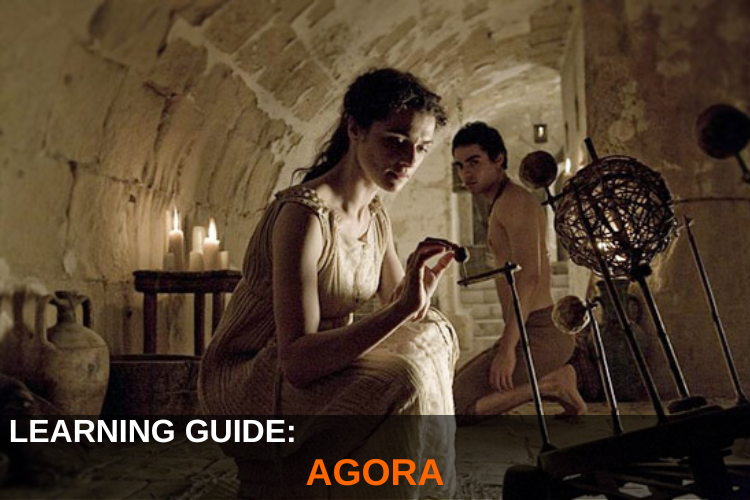
An Extraordinary Woman of the Ancient World
Search for a movie:
Movie/Television Worksheets:
Each film recommended by TeachWithMovies.org contains lessons on life and positive moral messages. Our Guides and Lesson Plans show teachers how to stress these messages and make them meaningful for young audiences.
Join thousands of teachers and professors who use movies to enrich classes & drive assignments.
Lesson Plans and Learning Guides based on more than 425 films.
Learning Guides Feature:
- Benefits
- Possible Problems
- Helpful Background
- Building Vocabulary
- Discussion Questions
- Links to Internet
- Bridges to Reading
- Assignments & Projects
SUPPLEMENT SCHOOL CURRICULUM, PROMOTE SOCIAL-EMOTIONAL LEARNING!
Teach with the Best of HOLLYWOOD!
Snippet Lesson Plans Feature:
- Learner Outcomes/Objectives
- Rationale
- Preparation
- Location of the Clip in the Movie, Film or Video
- Step-by-Step Instructions

Search hundreds of movies organized by subject that TWM recommends as the best of the best in meeting curriculum standards while providing students with stellar educational experiences.
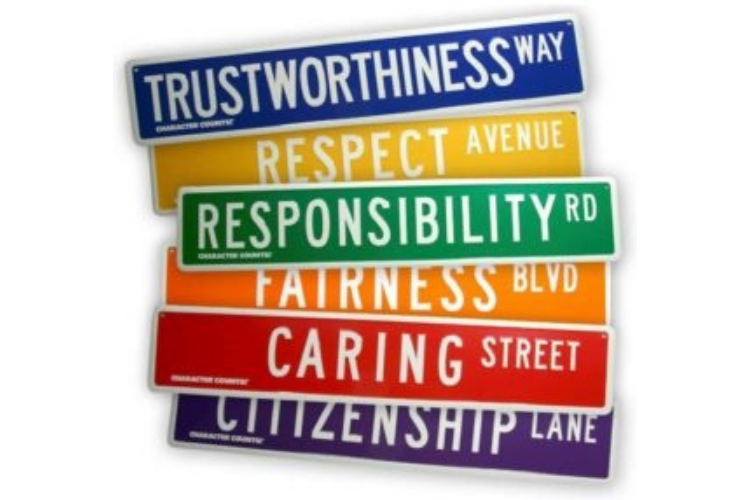
CREATE LESSON PLANS IN CHARACTER EDUCATION,
ETHICS, AND MORALITY FROM MOVIES AND FILM!
Teachwithmovies.org is a Character Counts
“Six Pillars Partner” and uses the Six Pillars of
Character to organize ethical principles.

Are you concerned that time will be wasted if you are absent from class? Worry no more!
Templates allow teachers in any subject to be sure that when they are away, students will focus on curriculum and the attainment of standards.

Get our FREE Newsletter
* we respect your privacy. no spam here!
